
#009 Funnel Vision: The Secret to a Successful Digital Marketing Strategy
Marketing funnels have been around for decades, but with the rise of digital marketing, they've become even more important. A well-designed funnel can mean the difference between a struggling business and a thriving one.
A marketing funnel is simply a visual representation of the journey a customer takes from first discovering your business to making a purchase. It's a map of sorts, showing the steps a customer must take in order to become a paying customer. And the best part? You have control over each step of the journey, if well executed.
The traditional marketing funnel consists of four stages: Awareness, Interest, Desire, and Action. In the Awareness stage, a potential customer becomes aware of your business through advertising, search engines, or word of mouth. In the Interest stage, they start to show interest in what you have to offer. The Desire stage is when they start to see the value of your product or service, and finally, the Action stage is when they make a purchase.
But this is just the basics. A modern marketing funnel can include so much more, such as email marketing, lead magnets, and retargeting. The goal is to make the customer journey as smooth and frictionless as possible.
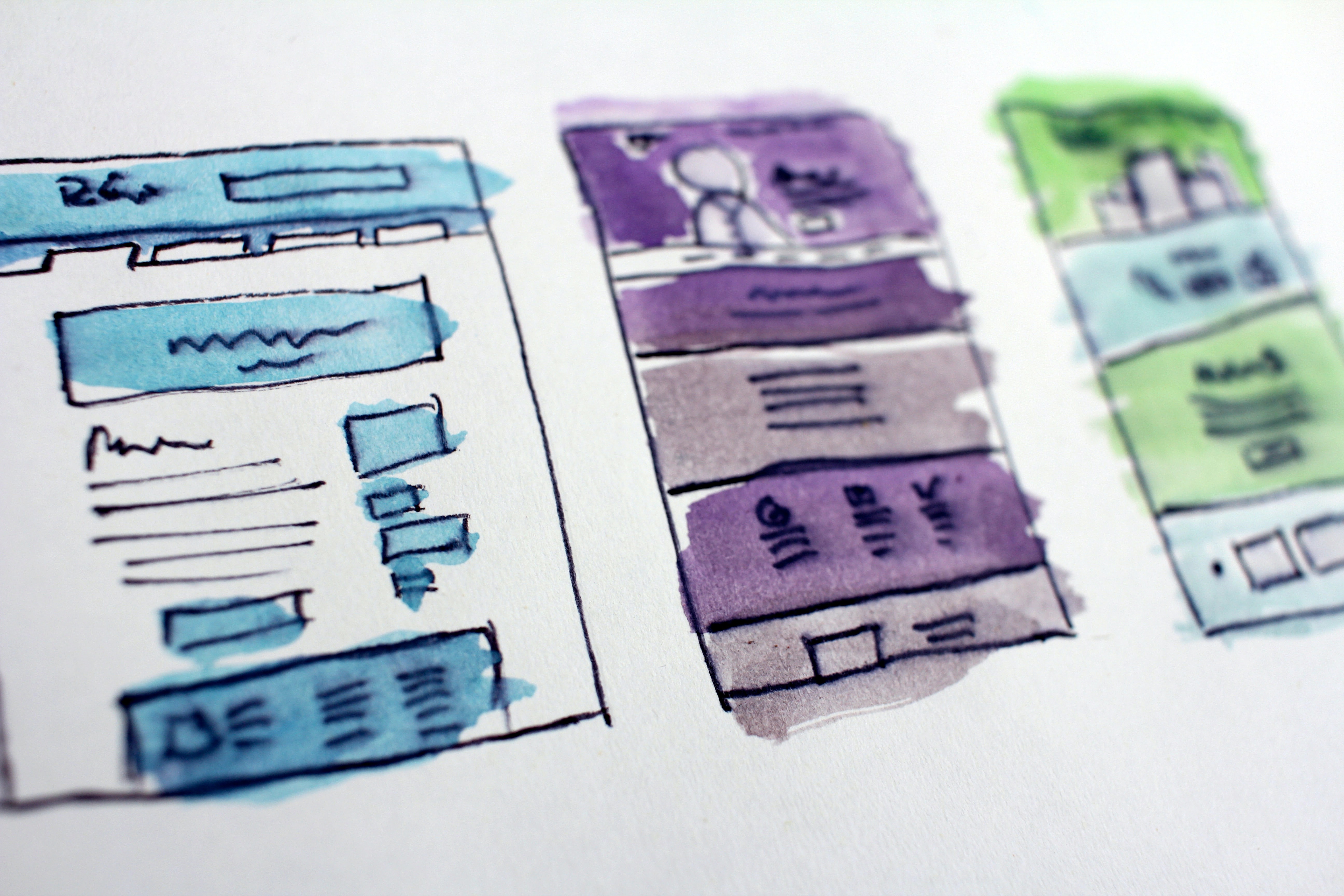
Take the example of a fashion brand that uses email marketing and retargeting to drive sales. In their Awareness stage, they use Facebook ads to attract potential customers to their website. Then, in the Interest stage, they use a lead magnet, such as a free styling guide, to capture email addresses. The Desire stage is where they use email marketing to showcase their products and build a relationship with their audience. And finally, in the Action stage, they use retargeting ads to show customers products they've viewed on their website, increasing the likelihood of them making a purchase.
This is basically what I've been doing with some of the projects I've been working on, capturing the audience and adding value to them all the way until the last part of the funnel, when I have a big offer that make it "hard to refuse". This process can be explored even further, with multiple products and services to be added during the customer's life cycle.
The beauty of a well-designed marketing funnel is that it can lead to more conversions and higher lifetime customer value. And with the right tools, it's possible to track and optimize each step of the journey, making it easier to see what's working and what's not.
Marketing funnels are a powerful tool for digital marketing, and thanks to Russell Brunson, my horizon was expanded considerably when I discovered them. By mapping out the customer journey and making it as smooth as possible, you increase the chances of converting website visitors into paying customers.
From advertising to retargeting, the possibilities are endless, and with the right tools, it's possible to track and optimize your funnel for even better results.
SHARE


get in touch.
Whether you have a new project in mind, something noteworthy to share or simply want to say hello, don't hesitate to get in touch! I'm always keen to hear from people who take the time to stop by