
#016 How COVID-19 Changed the Marketing Game
Remember when toilet paper was the most valuable commodity? Or when "Zoom" was just a sound you made when pretending to fly a toy plane? COVID-19 has changed a lot of things, including the way we consume and the way we market.
COVID-19 has changed the marketing game in ways we couldn't have imagined just a few years ago. As the pandemic swept the world, it caused financial instability, lockdowns, and an upheaval of consumer habits that have forced businesses to adapt or die. Here are some examples of how COVID-19 has changed the marketing landscape:
The rise of e-commerce
With lockdowns and social distancing measures in place, brick-and-mortar stores have struggled to stay afloat. This has led to a surge in e-commerce sales as consumers turn to online shopping for everything from groceries to clothing. According to Shopify, e-commerce sales increased by 44% in 2020 compared to the previous year. Businesses that previously relied on foot traffic have had to pivot to an online model to survive, and those that were already online have had to adapt to meet the increased demand.
The importance of social media
With people spending more time at home, social media has become an essential tool for staying connected. This has created an opportunity for businesses to reach their customers where they are spending their time. From Instagram ads to TikTok challenges, businesses have had to get creative with their social media strategies to stand out from the crowd.
The shift to contactless payments
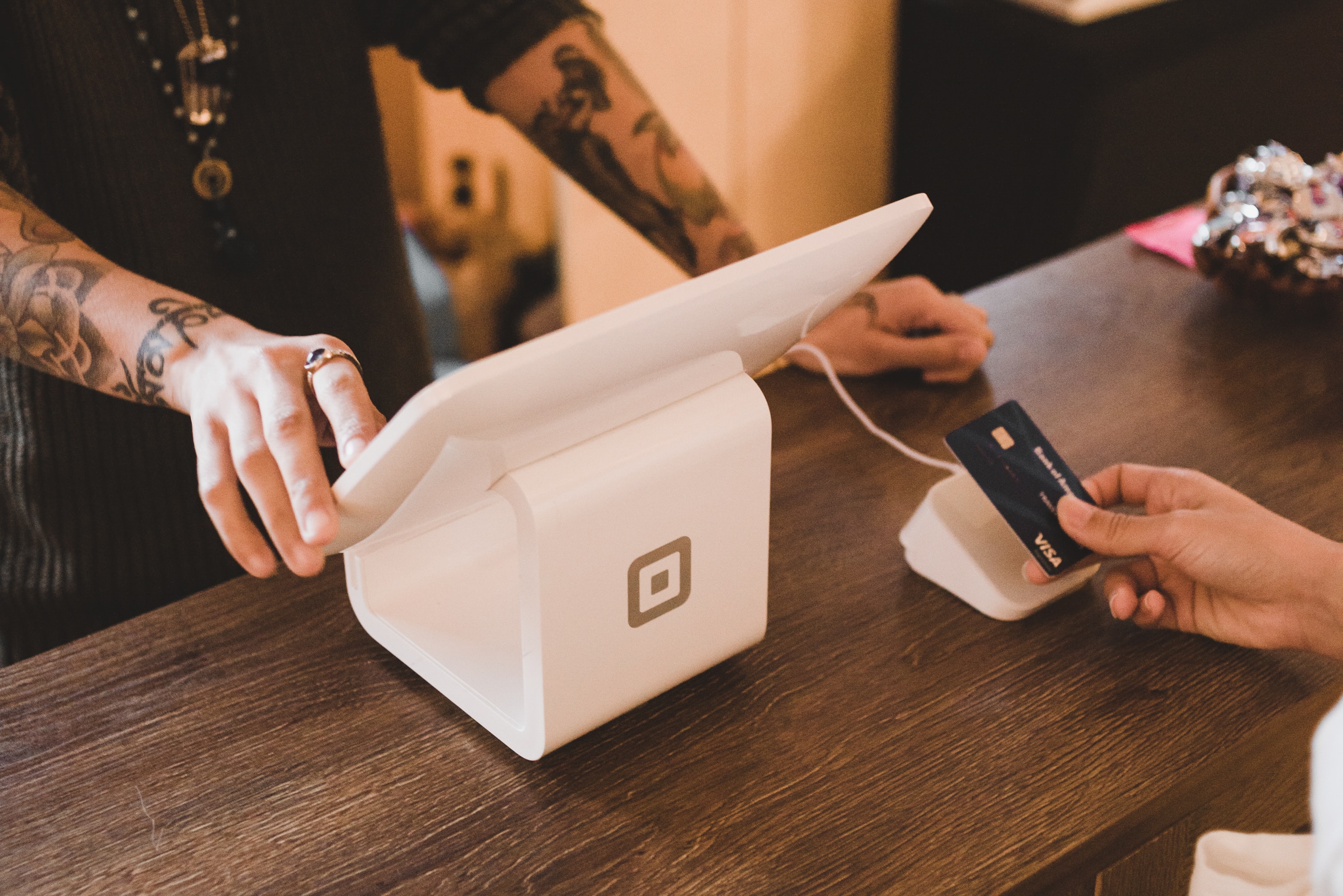
As people became more concerned about the spread of the virus, the use of contactless payments skyrocketed. Businesses that had previously relied on cash transactions had to adapt quickly to meet this new demand. This has also led to an increase in the use of digital wallets and mobile payments, further changing the way we pay for goods and services.
The need for flexibility
COVID-19 has caused an unprecedented level of uncertainty, and businesses have had to be flexible to survive. This has meant everything from changing business models to adjusting marketing campaigns on the fly. Businesses that were able to adapt quickly to changing circumstances have fared better than those that were slow to respond.
With financial uncertainty, consumers looked for ways to save money and simplify their lives. Subscription-based services, such as meal kits and beauty boxes, saw an increase in demand as they offered convenience and value.
The pandemic has been a challenging time for everyone, but it has also presented opportunities for growth and innovation. As the world continues to recover, businesses that are able to adapt to the changes brought on by COVID-19 will be the ones that thrive. By embracing e-commerce, social media, contactless payments, and flexibility, businesses can turn the challenges of the pandemic into opportunities for growth.
SHARE


get in touch.
Whether you have a new project in mind, something noteworthy to share or simply want to say hello, don't hesitate to get in touch! I'm always keen to hear from people who take the time to stop by